
Strata access control upgrade
Most strata buildings can move from HID iClass or proximity fobs to STid Mobile ID virtual cards by replacing the door readers and keeping the existing wiring and panel. The owners corporation gets control of its credentials and stops depending on one installer.
Why buildings switch
Many Australian buildings still use HID iClass SR or 125 kHz proximity fobs. These technologies are widely documented as copyable, and the installer often holds the keys needed to supply new credentials. That leaves the committee paying one supplier’s price and not knowing how many working copies exist.
STid mobile access replaces the fob with an encrypted virtual card on the resident’s phone, issued and revoked by the building in the STid portal.
What changes
The building’s configuration and portal account belong to the owners corporation, so credentials can be bought without going through one integrator.
vCards are encrypted on the phone. STid Mobile ID is certified under EN 17640 (STid).
Each vCard is bought once. When a resident leaves, the vCard is revoked and the credit can be given to the next resident.
Building managers issue or cancel vCards from the portal in minutes, without meeting the resident.
Doors open as residents approach, and gates open from the car. Car park access.
Lift readers can require Face ID or a fingerprint, so a stolen phone alone will not work there.
Side by side
| Typical HID fob system | STid mobile access | |
|---|---|---|
| Copy risk | iClass SR and 125 kHz prox are widely documented as copyable | Encrypted vCard, EN 17640 certified |
| Who supplies credentials | Usually the installer who holds the keys | The owners corporation, via the STid portal |
| Recurring fees | New fob purchase every time | Pay once per vCard and reuse the credit |
| Resident moves out | Fob often kept | vCard revoked in minutes |
| Car park | Separate remotes | Phone opens the gate from the car |
| Lift security | Anyone holding the fob | Optional biometric check |
The process
FAQ
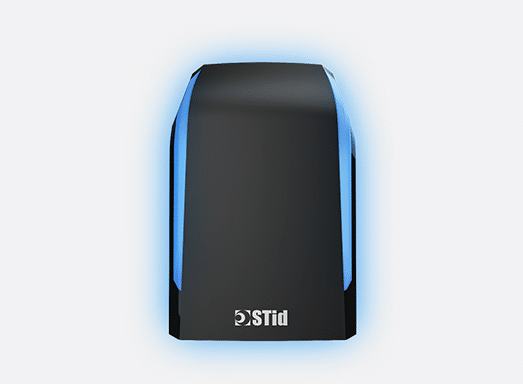
Usually not. In most buildings the HID readers are swapped for STid Architect Blue readers on the existing cabling, and the access control panel stays in place. We confirm this during the free review.
Yes. STid readers can read existing credentials while vCards are rolled out, so the building can change over door by door and then switch the old fobs off.
No. STid vCards are bought once and have no annual or subscription fees. Unlike some mobile credential systems, there is no fee per credential per year.
The STid portal account and the building’s configuration are set up for the owners corporation. The strata decides who receives a vCard and is no longer tied to one installer for credentials.
Most strata buildings are upgraded in one to three days of on-site work, depending on the number of doors, lifts and gates.
Book a free review. We’ll check your current system, explain what can be kept and estimate the payback period.